
Where to Learn About Squamish Nation Art & Culture in Squamish
Posted on: September 29, 2026
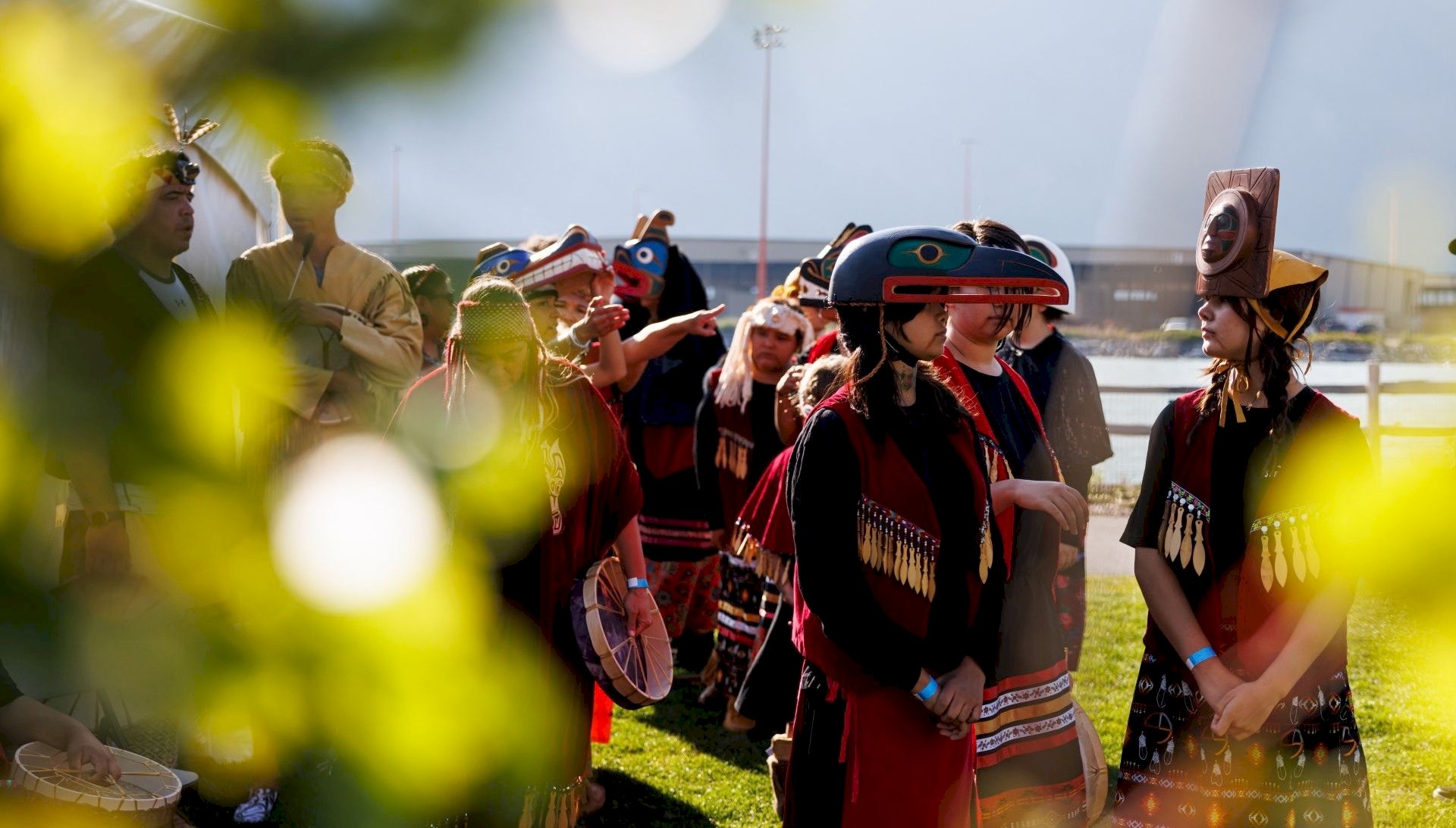
Squamish is deeply connected to Sḵwx̱wú7mesh Úxwumixw (Squamish Nation), whose history, culture and relationship with these lands and waters extend back to time immemorial.
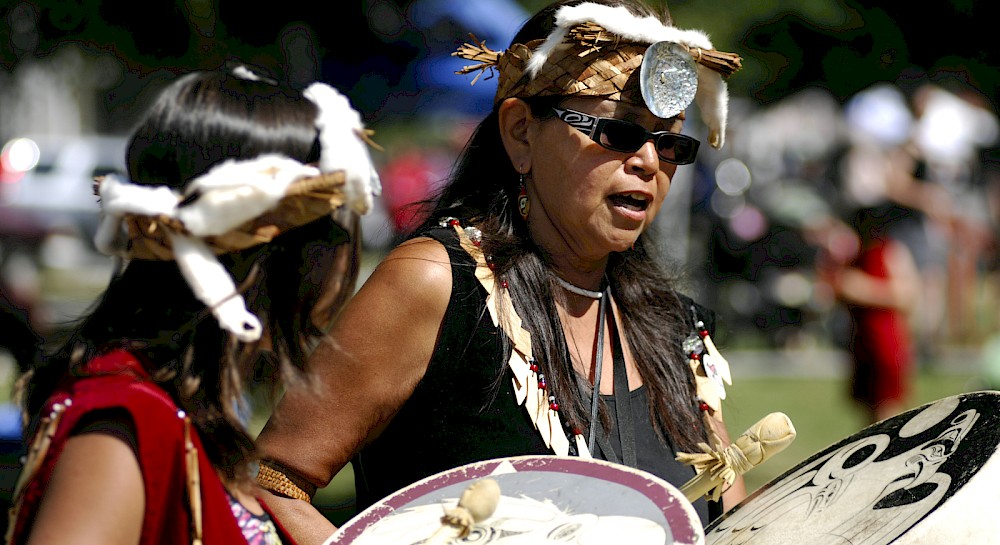
Sḵwx̱wú7mesh culture continues to be expressed through language, storytelling, art, food, cedar work, canoe culture, stewardship and the passing of knowledge between generations. Throughout Squamish, visitors can encounter this living culture through public art, community spaces, and stories.
Here are a few places to begin.
Sp’akw’us Feather Park
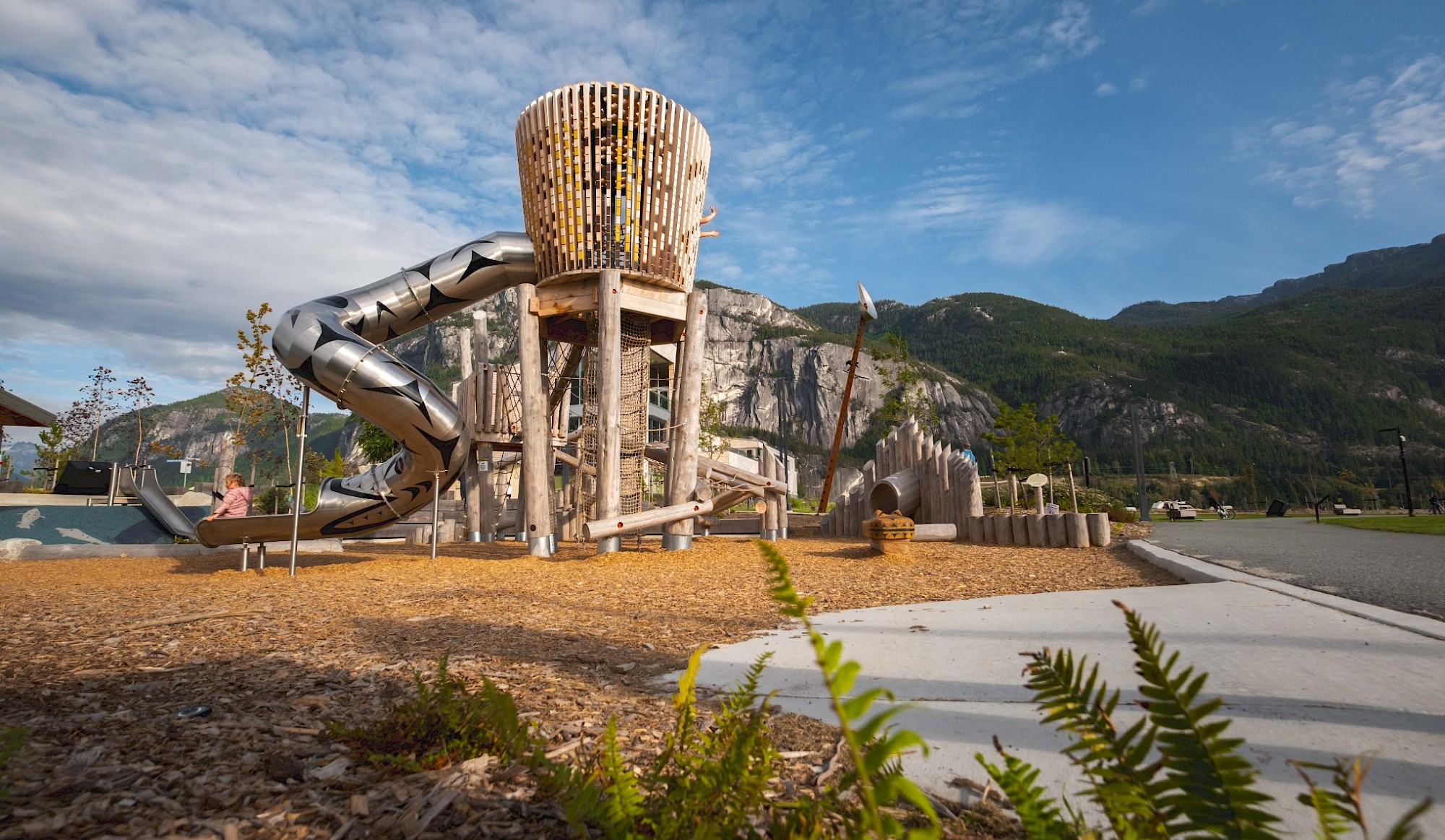
Sp’akw’us Feather Park is a particularly rich place to experience contemporary Squamish Nation art and storytelling. Developed with Squamish Nation artists, leaders and Indigenous youth, the waterfront park incorporates cultural expression throughout its playground and public spaces.
Look for the Xaay brothers' canoe in the Áynexwi7 playground, the serpent SínulhKa winding around the play structure and the guardian eagle bench. Together, these works create a space where play, community and Sḵwx̱wú7mesh stories come together.
At Sp’akw’us Feather Park, look for:
Look for onsite interpretive materials and QR codes featuring audio recordings of Sḵwx̱wú7mesh youth and artists sharing their stories in their own words.
Explore the full Squamish Public Art collection
Visit The Squamish Story Exhibit
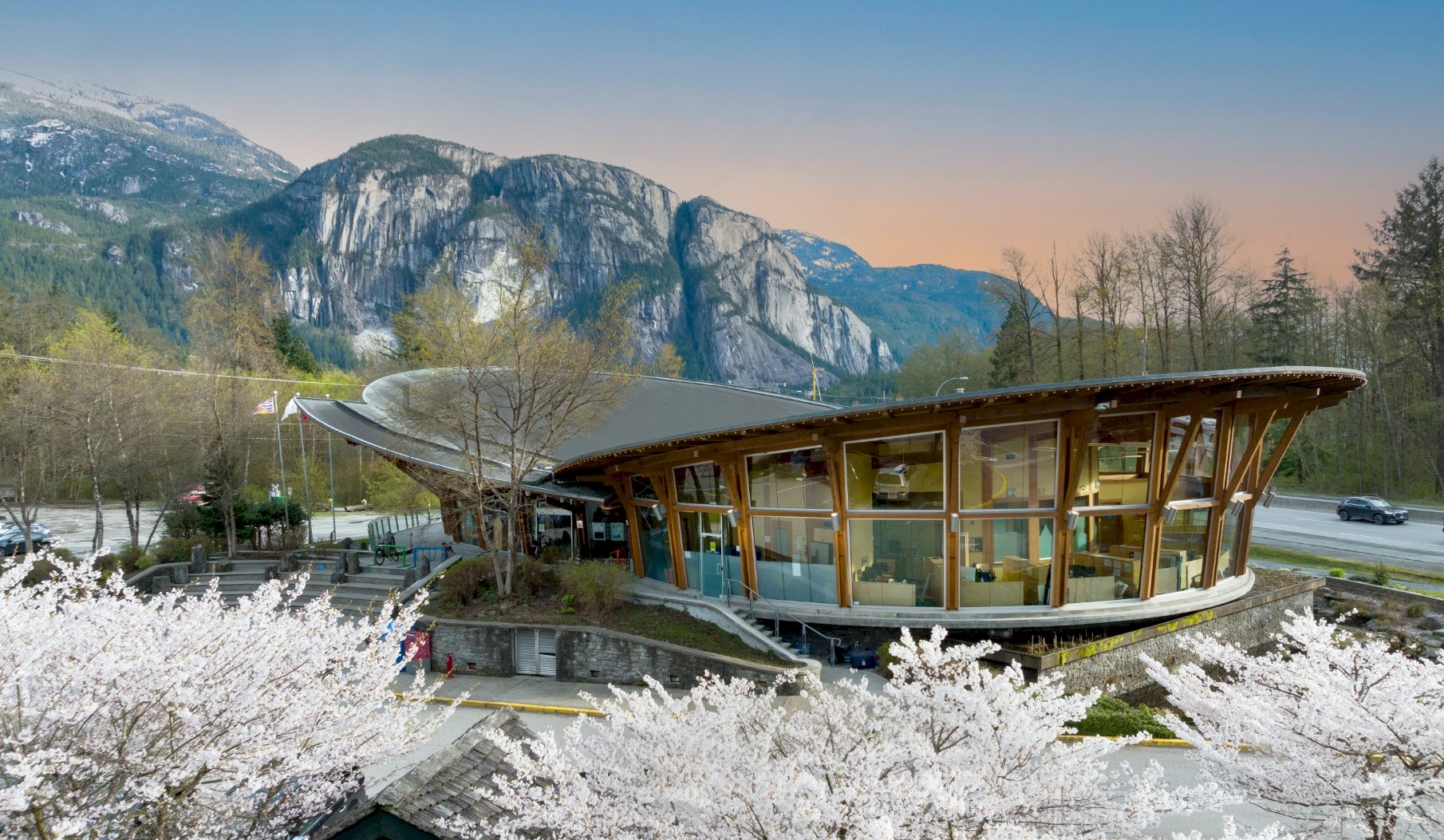
The Squamish Adventure Centre is home to the Squamish Story, an interactive exhibit introducing visitors to the people, places and events that have shaped the community. The exhibit explores the area’s Indigenous culture, the impacts of settler arrival, and the roles that the natural environment and industries such as forestry have played in Squamish’s history.
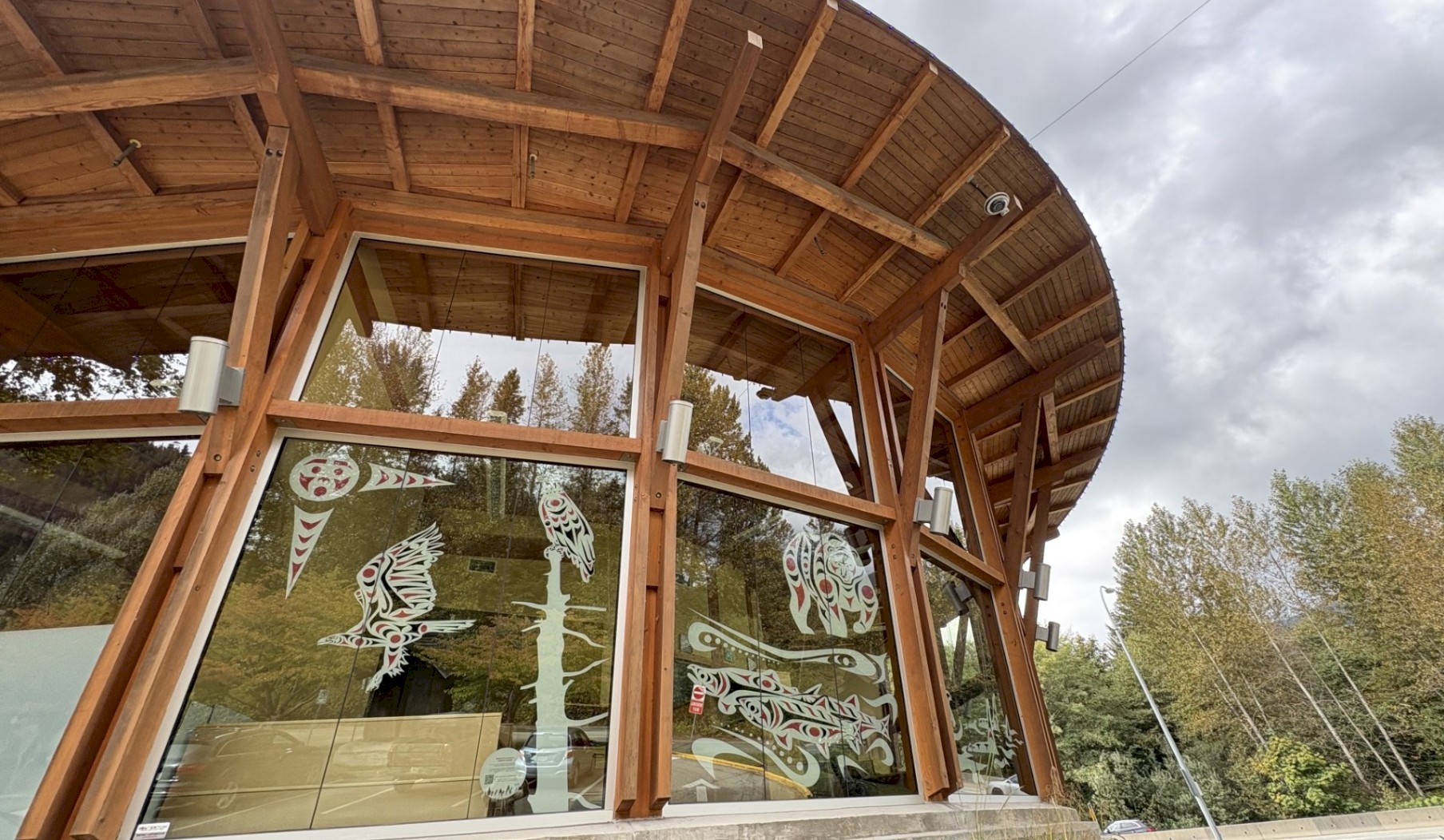
While you’re there, take a closer look at the Coast Salish artwork on the exterior of the building, created by Sḵwx̱wú7mesh artist Siobhan Joseph.
Learn more about the Coast Salish art at the Adventure Centre
Take a closer look at the Indigenous Art Tour
Turn a walk around town into a self-guided Indigenous Art experience. The Squamish Public Art collection includes a growing number of works by Sḵwx̱wú7mesh artists. Discover some of the stories, creativity, and culture reflected throughout the community:

Learn from Squamish Nation voices
For those wanting to learn more, the Sḵwx̱wú7mesh Úxwumixw shares resources online about its history, culture, language and relationship with the territory.
Visit the Squamish Nation website.
You can also learn about the historic 1923 amalgamation of Squamish villages through The Story of Amalgamation, a short video exploring this important part of Sḵwx̱wú7mesh Úxwumixw history. Watch We Are Sḵwx̱wú7mesh:The Story of Amalgamation
Watch more onThe Squamish Nation YouTube channel.
Continue exploring the Sea to Sky
Located 35 minutes north of Squamish on the shared traditional territory of the Squamish and Lil’wat Nations, Whistler Olympic Park is home to seven pieces of Indigenous artwork created for the 2010 Winter Games.
Among the works at the park are two by Sḵwx̱wú7mesh Úxwumixw artist Tawx'sin Yexwulla / Poolxturn Aaron Nelson Moody.
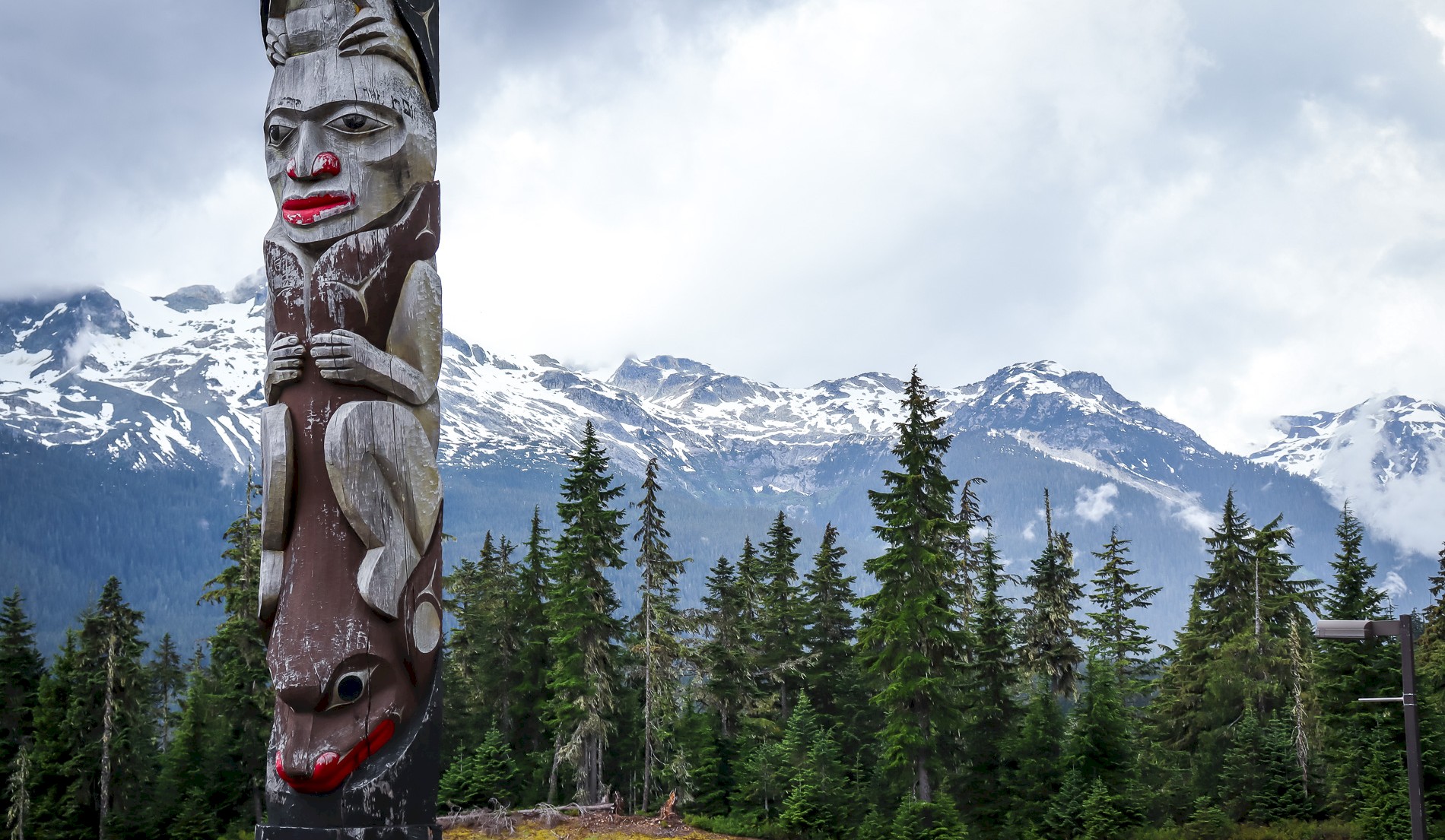
The Welcome Figure, located outside the Day Lodge, was carved live during the 2010 Games and raised in the summer of 2010 following a drum ceremony and blessing.
Nearby, the Salmon People House Post is located outside the upper level of the Day Lodge. This yellow cedar house post portrays creatures of particular importance in Squamish culture.
Trail maps are available to help visitors explore the collection as a self-guided art experience.
Discover Indigenous art at Whistler Olympic Park
Experience Squamish through art, stories and place
From a carved cedar bench beside the water to a welcome figure standing beneath the mountains, Squamish Nation art can be found throughout the community and surrounding landscape.
Take the time to look closer, learn the stories behind the artworks and seek out opportunities to support Indigenous artists and businesses.