Where to See Salmon in Squamish
Posted on: October 19, 2026
Discover one of Squamish's most remarkable natural events as salmon return to the rivers and streams where their lives began.
Every fall, something extraordinary happens beneath the surface of Squamish's rivers. After spending years in the Pacific Ocean, salmon navigate their way back to the freshwater streams where they hatched, completing one of nature's most remarkable journeys.
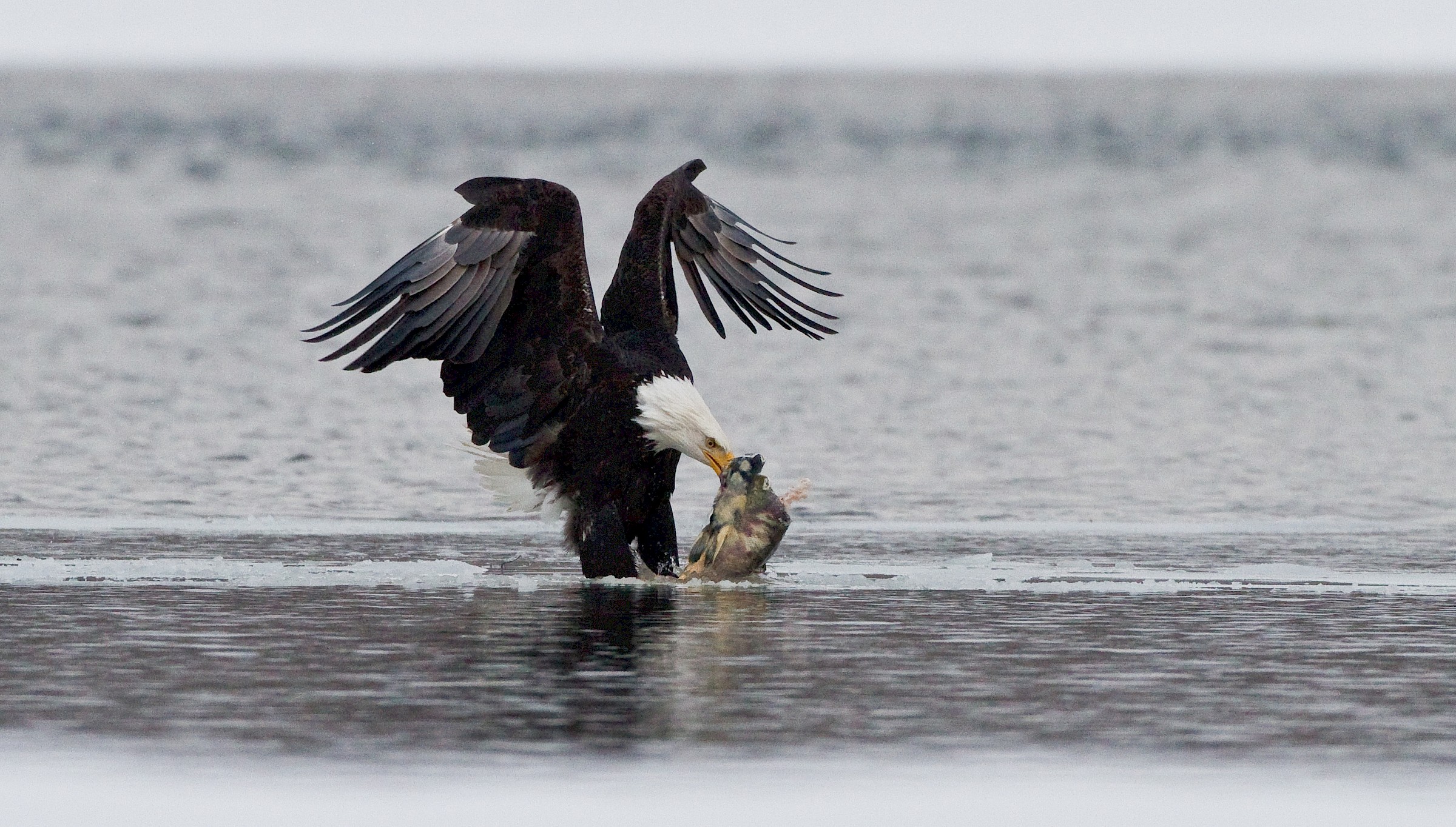
For visitors to Squamish, the annual salmon return offers a unique opportunity to experience the natural rhythms of the Sea to Sky region. From watching salmon make their way upstream to spotting bald eagles gathering along the riverbanks, fall is a fascinating time to explore Squamish's waterways.
But not every salmon season is the same. Different species return at different times, and the number of fish can vary significantly from year to year.
Here's what to know about salmon viewing in Squamish in fall 2026, including which species to look for, when to visit, and where to go.

Fisherman holding a pink salmon.
Which salmon are returning to Squamish in 2026?
Five species of Pacific salmon are found in the Squamish watershed: Pink, Chum, Coho, Chinook and Sockeye. Each has its own migration cycle and seasonal timing.
In fall 2026, Chum and Coho salmon are expected to offer the best viewing opportunities.
Chum salmon | September - November
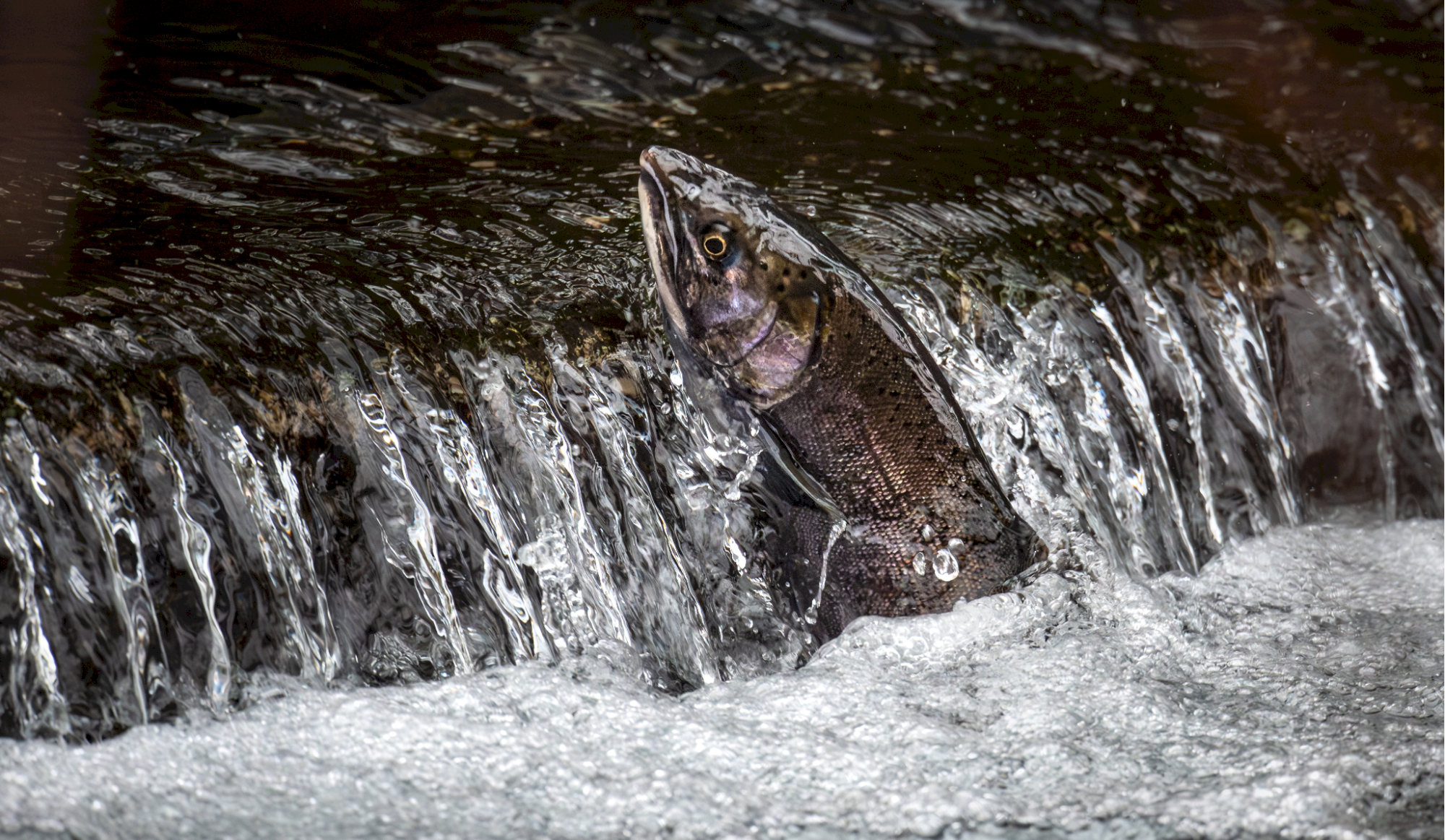
Chum salmon are one of Squamish's most recognizable fall visitors, returning to local rivers and streams. As they mature and enter freshwater to spawn, their back will become greenish-brown to nearly black and they will develop purplish streaks on their sides, resembling a calico pattern.
November is typically a good time to look for Chum salmon, although exact timing depends on river conditions and the progress of the run.
Chum salmon play an important role in the local ecosystem, providing a seasonal food source for bald eagles, bears and other wildlife.
Coho salmon | September to January
Coho salmon, also known as silver salmon, generally return later in the season, with spawning activity extending into winter. Their flesh is reddish-orange
November and December are often good months to look for Coho in the Squamish watershed, particularly around spawning channels and smaller tributaries.
What about Pink salmon?
If you visited Squamish in 2025, you may have heard about the impressive Pink salmon return.
Pink salmon follow a two-year life cycle, and the major Pink salmon populations in the Squamish and Cheakamus river systems predominantly return in odd-numbered years.
That means 2026 is not expected to be a major Pink salmon year, with the next significant return anticipated in fall 2027.
While there may still be other salmon species to observe this fall, visitors shouldn't expect the large concentrations of Pink salmon seen in odd-numbered years.
Chinook salmon generally return earlier in the year, while sockeye are present in much smaller numbers in the Squamish watershed.
When is the best time to see salmon in Squamish?
The salmon-viewing season extends from late summer into winter, but the species you are most likely to encounter changes throughout the fall.
Time of year | What to look for |
July-September | Earlier salmon runs, including Chinook, Sockeye (pink in odd years) |
Late October | Sockeye, Chum, Coho |
November | Chum and Coho salmon, with increasing bald eagle activity |
December–January | Later Coho salmon and winter bald eagle viewing |
For fall 2026, late October through November is a good time to look for Chum, while November and December are promising months for Coho.
Remember that salmon are wild animals following natural migration patterns. Rainfall, river levels, water clarity and other environmental conditions all influence when and where they can be seen. Sightings are never guaranteed.
Where to see salmon in Squamish
You don't have to venture far from town to experience salmon season. Several accessible locations offer opportunities to observe spawning habitat and learn more about the salmon that return to Squamish's waterways.
1. Mamquam River Spawning Channels
Best for: Accessible trails, salmon viewing and a self-guided nature experience
Located near the Mamquam River, the Mamquam Spawning Channels are one of the best places to learn about salmon habitat in Squamish. A network of walking trails winds through the surrounding forest and alongside protected channels designed to support salmon spawning and rearing. Interpretive signage helps explain the importance of these waterways and the role they play in the salmon life cycle.
However, if the channels are dry, the salmon will not run yet. Instead, drive west along Mamquam Road and try viewing salmon from the bridge over Mashiter Creek (look for the parking lot behind the Squamish Valley Golf Course). Once it begins to rain, the creeks will fill with water, allowing the salmon to swim upstream.
Explore the Mamquam River Trails
2. Tenderfoot Creek Hatchery
Best for: Families, learning about salmon and seasonal viewing opportunities
Located in Paradise Valley, north of Squamish, Tenderfoot Creek Hatchery offers self-guided visitors an opportunity to learn more about Pacific salmon and the work involved in supporting local salmon populations.
Operated by Fisheries and Oceans Canada, the hatchery focuses on enhancing Coho, Pink, Chum and Chinook salmon stocks in the Squamish River watershed.
It's a particularly interesting stop for families and anyone curious about the salmon life cycle.
Visitor information:
- Location: 1000 Midnight Way, Brackendale
- DFO-listed visiting hours: 8 AM – 3 PM daily
- Phone: 604-898-3657
- Public washrooms are currently listed as closed
Visitor tip: Contact the hatchery before travelling to confirm visiting arrangements and whether salmon are currently being observed.
Visit the official Tenderfoot Creek Hatchery information page
3. Eagle Run Viewing Area, Brackendale
Best for: Bald eagle viewing and experiencing the salmon ecosystem
Salmon season isn't just about the fish themselves. It also marks the beginning of one of Squamish's most celebrated wildlife spectacles: the return of wintering bald eagles.
Each year, bald eagles gather along the Squamish River to feed on salmon, making Brackendale a well-known destination for eagle viewing.
The Eagle Run viewing area along Government Road provides a designated place to observe eagles and the surrounding river habitat.
Although this location is better suited to watching eagles than viewing spawning salmon up close, it's a wonderful way to appreciate how salmon sustain the broader Squamish ecosystem.
Eagle viewing generally improves through November and December, and often extends into January.
Visitor tip: Bring binoculars, dress warmly and allow time to watch the riverbanks and surrounding trees.
Explore Eagle Viewing in Squamish
Why salmon matter to Squamish
Salmon are far more than a seasonal wildlife attraction.
For the Sḵwx̱wú7mesh Úxwumixw (Squamish Nation), salmon have deep cultural importance and are closely connected to the land, waters, traditions and ways of life of the Sḵwx̱wú7mesh people.
They are also a keystone part of the local ecosystem. As salmon return from the ocean, they bring marine nutrients into freshwater and forest environments, supporting wildlife and enriching surrounding habitats.
Their annual migration connects Squamish's rivers, forests, estuary and ocean in an extraordinary natural cycle.
Local conservation organizations, such as the Squamish River Watershed Society, community volunteers, Indigenous partners and fisheries agencies all contribute to efforts to protect and restore salmon habitat throughout the watershed.
How to watch salmon responsibly
Spawning salmon are completing the final and most demanding stage of their lives. Small disturbances can affect their ability to reach spawning grounds and successfully reproduce.
Help protect Squamish's salmon by following a few simple guidelines:
- Stay on designated trails and viewing areas. Avoid entering streams, spawning channels or fragile riverbank habitat.
- Give salmon plenty of space. Never touch, chase or attempt to move fish.
- Keep dogs leashed and out of the water. Dogs can disturb spawning salmon and damage sensitive habitat.
- Watch for wildlife. Bears and eagles are attracted to salmon. Maintain a safe distance and never approach wildlife for a photograph.
- Respect closures and signage. Some areas may have seasonal restrictions to protect fish or their habitat.
- Leave no trace. Take your belongings and rubbish with you.
Remember that fall weather can change quickly in Squamish. Heavy rainfall can increase river flows, reduce visibility and make riverbanks hazardous. Observe from established viewing areas and never enter fast-moving water.
Where can I get the latest information about salmon viewing?
For seasonal information and local conditions, contact:
- Squamish Visitor Centre: 778-743-8118
- Tenderfoot Creek Hatchery: 604-898-3657
- Squamish River Watershed Society: squamishwatershed.com
- Pacific Salmon Foundation: psf.ca
Where can I go fishing?
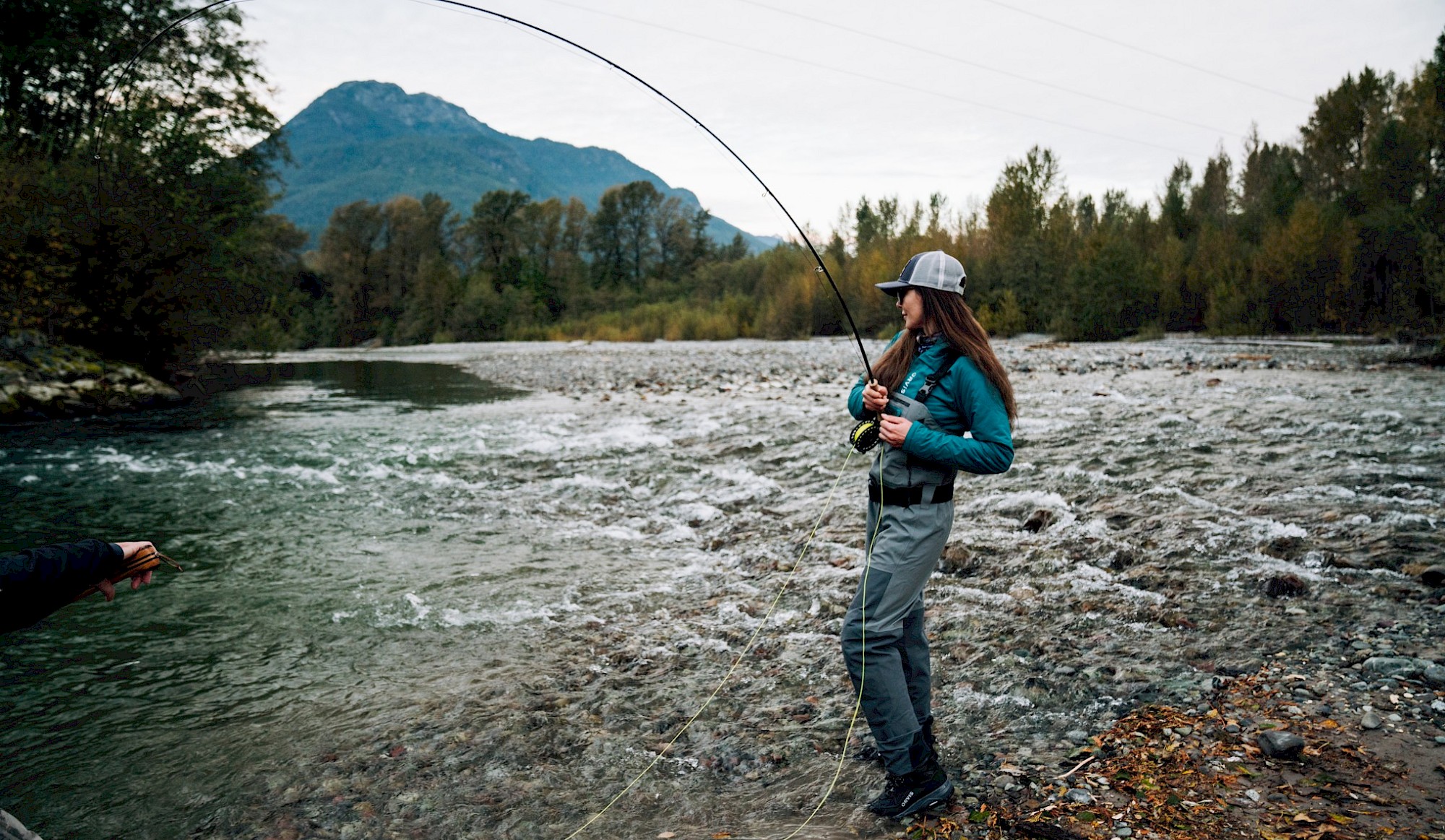
Visit the Fishing in Squamish page, or contact one of the local fish guiding operators for more information and to learn about the half, full-day and multi-day trips:
Experience fall in Squamish
Whether you're exploring a forest trail, watching salmon navigate a shallow stream or spotting bald eagles perched above the Squamish River, fall offers a chance to experience a remarkable part of the region's natural heritage.
Dress for the weather, bring your curiosity and remember that the best wildlife encounters happen when we give nature the space and respect it deserves.
Plan your visit: Discover more things to see and do in Squamish and connect with the Squamish Visitor Centre for local recommendations.


